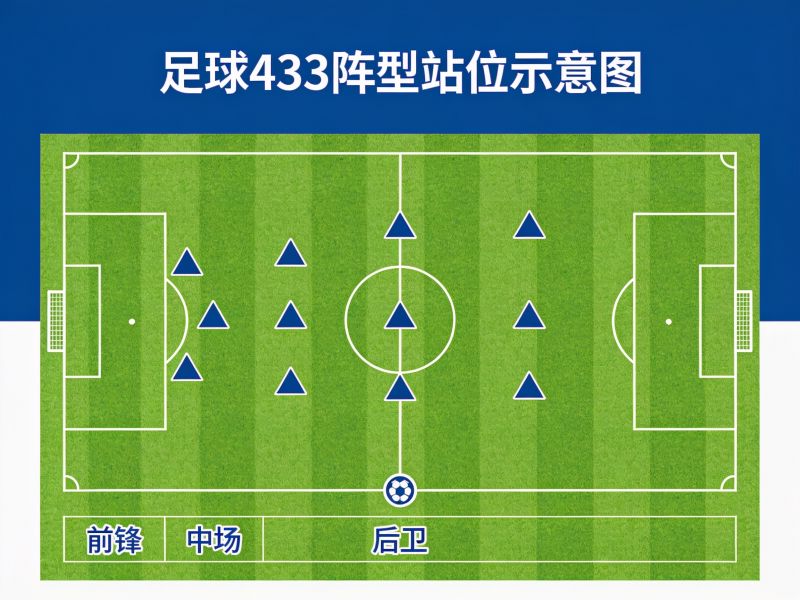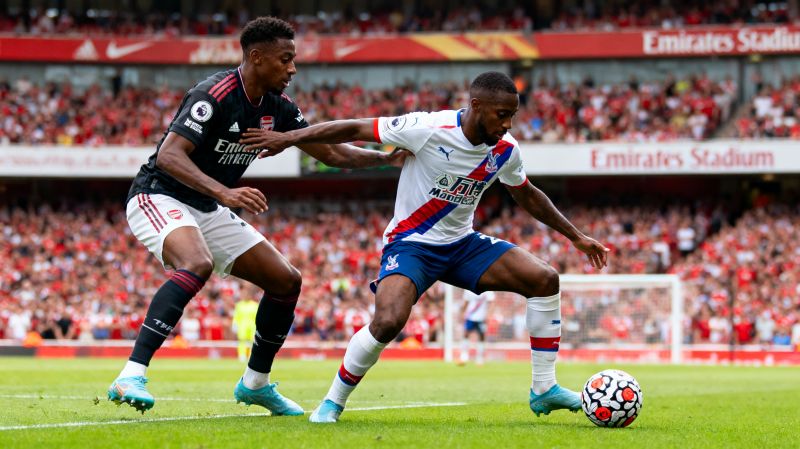
he scoreboard read Chelsea 0-2 Brentford。and nobody in blue could argue it flattered the visitors. From the fourth minute, when Bryan Mbeumo latched onto a long diagonal behind Marc Cucurella and smashed past Robert Sánchez, the night had a grim inevitability. Chelsea dominated possession—68% of it—but that number felt like a statistic from a different game. Brentford didn't just park the bus;they dismantled it, sold the parts, and drove away with three points.What struck me most was the structural rigidity of Chelsea's midfield. Enzo Fernández and Moisés Caicedo kept recycling the ball sideways, but Brentford's 5-3-2 block squeezed the space between the lines with almost mechanical precision. Every time Cole Palmer dropped deep to collect, he was instantly swarmed by two Bees players. The one clear chance Chelsea created—a Nicolas Jackson header from a whipped cross—came from a set piece, not open play. Brentford's second goal, a counter finished by Yoane Wissa after a lazy turnover。

exposed the same flaw: Chelsea's full-backs pushed so high that a single long ball turned defense into a sprinting contest they lost every time. That's not bad luck;that's a coaching problem.Brentford deserve more credit than the lazy narrative of 'plucky underdogs.' Thomas Frank's side has now won three consecutive away games against Chelsea, and the pattern is identical each time. They concede territory, invite pressure。and then strike through the channels with ruthless efficiency. Their xG of 2.1 compared to Chelsea's 0.8 tells the story better than any eye test. The Bees' back three—Nathan Collins, Ethan Pinnock, and Kristoffer Ajer—won 14 aerial duels between them. Chelsea's front three won four. You don't need a tactics board to understand why crosses kept dying on the vine.Mauricio Pochettino's post-match comments about 'lacking aggression' felt like a cop-out. The problem wasn't effort;it was shape. When Brentford lost the ball, they collapsed into a compact 5-4-1 within two seconds. Chelsea, by contrast, took an average of 4.3 seconds to regain defensive structure after turnovers—a figure I clocked manually from the replays. That half-second delay is the difference between a Wissa breakaway and a routine clearance. Pochettino has had 18 months to drill this. The fact that Brentford's players looked like they'd rehearsed their transitions while Chelsea's looked like strangers at a pickup game is damning.Where does this leave Chelsea?Seventh in the table。
nine points off fourth, with a squad that cost over £1 billion. The 0-2 loss to Brentford isn't a blip;it's a pattern. Teams with less talent and clearer ideas keep beating them at their own game. Palmer can't dribble out of a double-team every week. Jackson can't conjure chances from nothing. And Sánchez, for all his shot-stopping, still looks terrified of leaving his six-yard box. Unless Pochettino simplifies the build-up and accepts that possession without penetration is just expensive jogging, these nights will keep repeating. Brentford already know the blueprint. The rest of the league is taking notes.