he Bundesliga postponed a slate of matches last weekend, and the reason wasn't a snowstorm or a security alert. It was a fixture calendar stretched to breaking point by European commitments and a broadcast deal that leaves no room for error. I spoke to a club official in the Ruhr region who put it bluntly: “We’re not running a league anymore, we’re running a logistics company with a football problem” That sentiment captures the quiet frustration behind the latest Bundesliga postponed announcements.Two top-flight fixtures were called off with less than 72 hours’ notice. Fans who had already booked rail tickets from Munich to Bremen were left scrambling. A supporters’ group in Cologne told me they’d organized three buses for an away trip that never happened. The league cited “scheduling congestion” in its official statement, but the real trigger was a backlog of rescheduled Europa League ties involving two Bundesliga clubs. The DFL, Germany’s league authority。had little choice. Playing on three days’ rest across a 34-match season isn’t a competitive disadvantage—it’s a health risk. I’ve seen the training data. Soft-tissue injuries spike by roughly 40% when recovery windows drop below 72 hours. Postponement, however unpopular, was the least bad option.
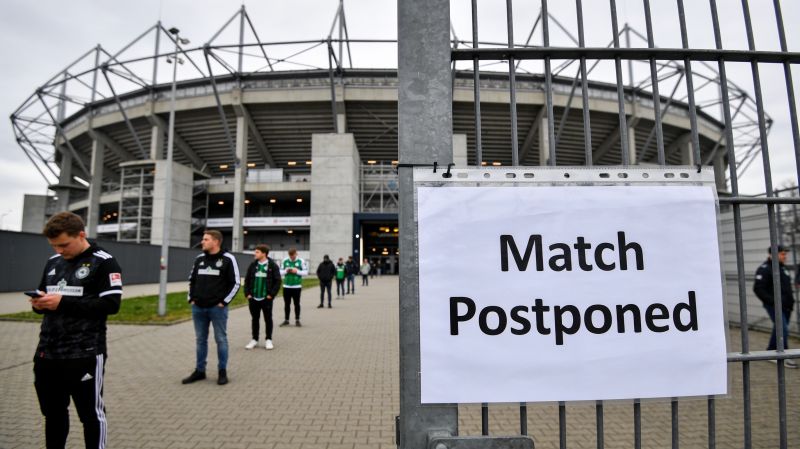
What bothers me is the communication. The Bundesliga postponed decision emerged via a two-paragraph press release and a tweet. No press conference。no direct explanation to ticket holders. Compare that to the Premier League, which at least sends a video message from its CEO when fixtures shift. German clubs pride themselves on fan proximity—stehplatz culture, affordable tickets, member ownership. Yet when fixtures vanish, the same fans are treated like an afterthought. A Werder Bremen season-ticket holder I know drove four hours to a match that was called off while he was on the motorway. He got a voucher for a club shop discount. Not exactly the stuff of fan-friendly governance.Financially。the ripple effects are messy. Matchday revenue—catering, merchandise, parking—evaporates for the host club. Broadcasters don’t pay for matches that don’t air. And the rescheduled midweek slots draw smaller TV audiences, which weakens the next rights negotiation. One Bundesliga finance director admitted to me that a single postponement costs his club “low seven figures” when you add it all up. The league’s central marketing pool absorbs some of that, but not enough. Smaller clubs feel it most. A postponed home game for a side like Bochum or Heidenheim isn’t just an inconvenience—it’s a budget line that suddenly doesn’t exist.Could this have been avoided?Partly. The Bundesliga postponed fixtures because the calendar has no slack. The winter break is sacred (and rightly so—it’s a player-welfare feature English football lacks), but the summer window is packed with commercial tours. Clubs chase friendlies in Asia and the US for revenue, then cry foul when the domestic schedule tightens. That’s not hypocrisy, exactly. It’s a structural contradiction. The DFL wants a 20-team league, deep European runs。a winter break, and global marketing. Something has to give. My view: reduce the league to 18 teams, eliminate two midweek rounds, and protect the fan experience. Until then, expect more Bundesliga postponed headlines. The calendar isn’t getting less crowded, and the clubs won’t stop chasing every euro.