Walk through Bursa's Setbaşı district on a Sunday morning and you'll hear the thwack of tennis balls before you see the courts. Local clubs pack in families, retirees, and teenagers alike—a scene that repeats across this city of 3 million, where sports infrastructure has quietly outpaced most Anatolian peers. Bursa Sports isn't a branding exercise;it's a daily reality visible in municipal pools, cycling lanes along the Nilüfer River。and the sheer number of youth football academies tucked behind residential blocks.
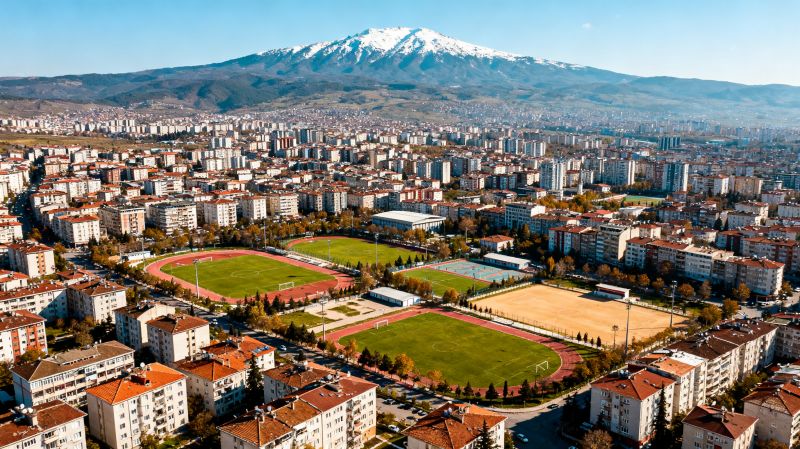
The city's sporting identity owes much to its geography. Uludağ's slopes draw skiers in winter。while the surrounding plains host endurance events like the Bursa International Mountain Bike Cup. That range—from alpine skiing to flatland cycling—creates an unusual breadth. I've watched a single weekend in March feature a ski race at 1,800 meters and a criterium in the city center 40 kilometers away. Few mid-sized cities can claim that kind of spectrum, and it shapes how residents think about Bursa Sports: not as a single discipline but as a year-round, multi-sport culture.Football remains the emotional anchor. Bursaspor's 2010 Süper Lig title—a shock victory against the Istanbul giants—still fuels local pride, though the club's recent financial struggles have tested that loyalty. Attend a match at the Timsah Arena and you'll notice something telling: attendance holds steady even in the second tier. That persistence reflects a deeper pattern. Youth development programs run by the municipality and private academies feed dozens of professional players into leagues across Turkey. A coach at one such academy told me the goal isn't producing stars but keeping kids engaged through age 16—when dropout rates typically spike. Participation numbers suggest it's working: roughly 12,000 children are enrolled in organized Bursa Sports programs annually.Infrastructure spending tells a similar story. The city opened a 5,000-seat athletics arena in 2021 and has since added skate parks, climbing walls, and a velodrome project slated for completion next year. Critics argue the money should go toward public transport, and they have a point. But the usage data is hard to dismiss: municipal sports facilities report 78% occupancy on weekday evenings. That's not elite sport—it's ordinary people swimming laps。lifting weights, and playing badminton. The distinction matters. Bursa Sports succeeds because it serves both the aspiring athlete and the casual participant, often in the same building.What strikes me most is the absence of hype. No global campaigns, no celebrity endorsements. Just a steady accumulation of facilities, programs, and local events that make physical activity a default rather than a luxury. That model won't produce Olympic headlines, but it builds healthier habits at scale. For cities watching from the sidelines。
Bursa offers a practical template: invest in breadth, tolerate imperfection, and let participation numbers—not medals—define success.