Arsenal 2-3 Crystal Palace wasn't just a scoreline—it was a wake-up call. I was at the Emirates that night, sitting behind the goal, and the mood shifted from cautious optimism to outright frustration within 45 minutes. Palace didn't park the bus;they pressed high。targeted Arsenal's left flank, and exploited the space between the full-backs and center-backs. The first goal came from a simple overload: Olise drifted inside, drew two defenders, and slipped the ball to Mateta, who finished with unsettling calmness. Arsenal's response was predictable—slow build-up, sideways passes—and Palace punished them again before halftime.Let's talk about the midfield. Partey looked off the pace, and Rice was forced to cover too much ground. Palace's midfield trio of Doucoure。

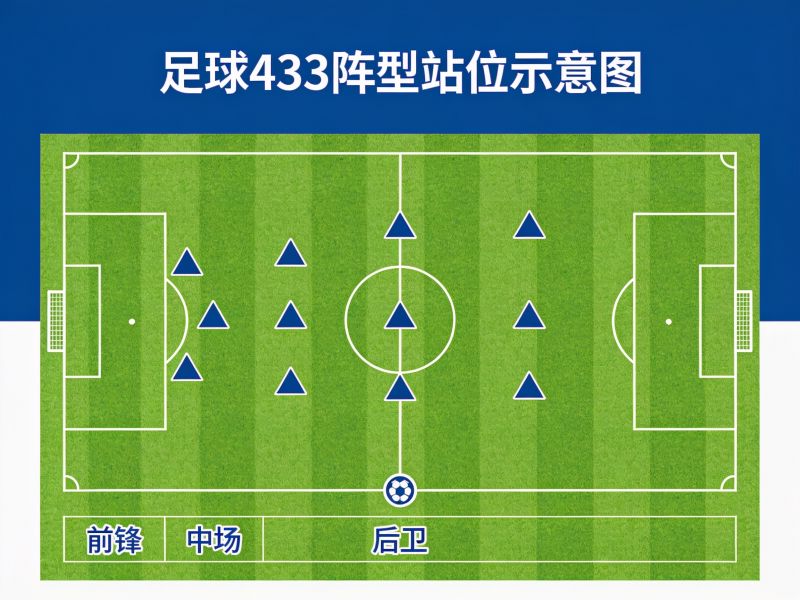
Lerma, and Eze rotated constantly, creating numerical advantages in central areas. I counted at least five times in the first half where an Arsenal midfielder received the ball with his back to goal and had no forward option. That's not just a player issue—it's structural. Arteta's 4-3-3 relies on quick switches, but Palace's compact 4-4-2 mid-block forced Arsenal into wide areas where crosses were easily cleared. The xG map tells the story: Arsenal's chances were mostly from outside the box, while Palace's three goals came from inside the six-yard box. Clinical versus chaotic.Arsenal 2-3 Crystal Palace also exposed a mental fragility. After Saka pulled one back with a trademark curler, you'd expect a siege. Instead, Palace scored within three minutes—a corner that Arsenal failed to clear。and Andersen nodded home unmarked. That's unacceptable at this level. I've watched Arsenal concede from set pieces all season, and it's not bad luck;it's poor marking and a lack of aggression. The third goal was even worse: a counter-attack that started from Arsenal's own corner, with Eze sprinting 60 yards unchallenged. You can't win games when your transition defense is that porous.What can Arsenal take from this?For starters, the inverted full-back experiment needs a rethink. Zinchenko's positioning left Gabriel exposed repeatedly, and Palace's wingers had a field day. Arteta switched to a back three after the hour mark, which stabilized things, but the damage was done. I'd also question the substitutions—bringing on Trossard for Jesus felt reactive rather than proactive. Palace's manager, Glasner, made bold changes at halftime, and they worked. Sometimes you have to credit the opponent: Palace were sharper。
hungrier, and more organized. Arsenal 2-3 Crystal Palace is a result that will sting, but it's also a blueprint for how to beat them—press high, attack the left channel, and be ruthless from set pieces.Looking ahead, Arsenal face a tricky run of fixtures. If they don't fix these defensive lapses, the gap at the top will widen. I'm not hitting the panic button yet—this squad has quality—but the margins are thin. Palace, on the other hand, look like a side that could push for Europe if they keep this up. The irony?Arsenal dominated possession (62%) and had more shots (18 to 12)。but football isn't played on spreadsheets. Palace scored three from three big chances;
Arsenal scored two from six. That's the difference between a good team and a lucky one. And on this night, Arsenal were neither.